
Rainwater Harvesting Systems for Urban Homes Explained
As urban areas grow, the demand for clean water continues to rise. At the same time, many cities face challenges such as water shortages, high utility bills, and strained infrastructure. One practical and eco-friendly solution gaining popularity is rainwater harvesting. By collecting and storing rainwater, urban homeowners can reduce reliance on municipal systems, lower costs, and contribute to sustainable living. Understanding how rainwater harvesting systems work can help you decide if this solution is right for your home.
How Rainwater Harvesting Works
Rainwater harvesting involves collecting rain that falls on rooftops and directing it through gutters into a storage system. The water can then be filtered and used for multiple household needs. Simple systems may consist of barrels attached to downspouts, while advanced setups include underground tanks, filtration units, and pumps. The design depends on the amount of rainfall, available space, and the intended uses of the collected water.
Key Components of a System
A typical urban rainwater harvesting system has four main components. The catchment area, usually the roof, collects rain. Gutters and downspouts act as conveyance channels to move water toward storage. The storage tank or barrel holds the water until it is needed, while filters ensure the water remains clean by removing leaves and debris. More advanced systems may include pumps to distribute water throughout the home or treatment units that make it suitable for drinking.
Installation and Maintenance
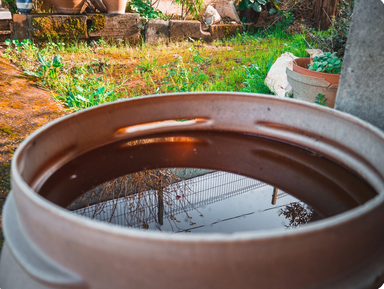
Installing a rainwater harvesting system is not as complicated as one may assume. For smaller homes, rain barrels …